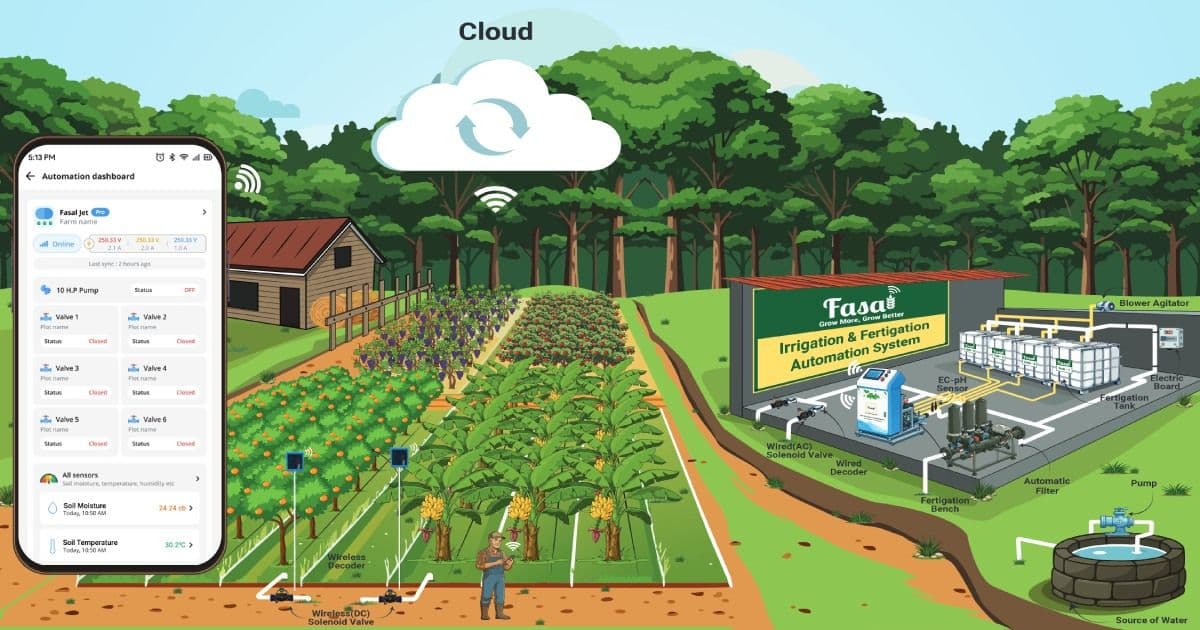
What is Fasal?
Fasal is an Indian precision-agriculture company that combines on-farm IoT hardware with AI advisory for horticulture. Its sensors and weather stations capture soil moisture, temperature and microclimate data directly from the field, and its AI layer turns that data into smart irrigation and fertigation automation plus early warnings for pests and crop disease. Built for fruit and horticulture growers — grapes, pomegranate, mango, citrus and similar crops — Fasal aims to reduce water and input use while protecting yield and quality. A Y Combinator alumnus, the company has been receptive to Western media coverage. For smallholder and mid-size horticulturalists, Fasal's appeal is concrete: automate irrigation based on real plant and soil conditions rather than fixed schedules, and act on pest and disease risk before it becomes visible damage.
What is Fasal used for?
IoT-based smart irrigation and pest/disease advisory
Pros and cons
Pros
- Combines real field sensors with AI irrigation and fertigation automation
- Early pest and disease warnings before damage becomes visible
- Purpose-built for fruit and horticulture crops
- Reduces water and input use versus fixed-schedule irrigation
Cons
- Requires installing and maintaining on-farm IoT hardware
- Crop coverage is focused on horticulture, not broad-acre crops
- Pricing is not publicly listed
Questions about Fasal
What does Fasal do?
Fasal pairs on-farm IoT sensors with AI advisory to automate irrigation and fertigation and warn growers of pest and disease risk.
Which crops is Fasal built for?
Fasal targets fruit and horticulture crops such as grapes, pomegranate, mango and citrus.
How does Fasal save water?
It automates irrigation based on real soil-moisture and microclimate readings rather than fixed schedules, applying water only when the crop needs it.
What are the best alternatives to Fasal?
Reviews
Sign in to rate and review Fasal.
Sign in to reviewNo reviews yet. Be the first to review Fasal!