Best AI Developer Tools
595 tools
All 595 tools
Recently updated
NaLU AI
NaLU AI is an NLU validation layer for chatbots that extracts clean data—names, emails, yes/no—from messy replies via REST or MCP. 3,000 free credits/month.Free plan
WaitWage
WaitWage is a rewards network for AI developers that turns the idle seconds spent waiting on coding agents into real, opt-in earnings paid by sponsors.Free plan
VectorLens
VectorLens is a native desktop GUI for vector databases like ChromaDB, Qdrant, Weaviate, and Milvus — browse, search, and visualize embeddings without code.
Pathrule
Pathrule pre-loads project memories, rules, and skills into AI coding assistants like Claude Code and Cursor, scoped to the exact files being edited.
Zedra
Zedra connects your phone to a running desktop coding session via encrypted QR pairing, keeping your terminal, editor, and AI agents live while you move around.
Mistral Vibe
Mistral Vibe is Mistral AI's unified agent for long-horizon coding and productivity, with Work and Code modes plus a VS Code extension for in-editor use.
MiniMax M3
MiniMax M3 is an open-weight LLM with a 1M-token context window, native multimodal input, and strong coding and agentic performance you can self-host.
YeePilot
YeePilot is a terminal-native DevOps tool that adds AI-assisted planning, approval gates, and a secrets vault to real server operations over SSH.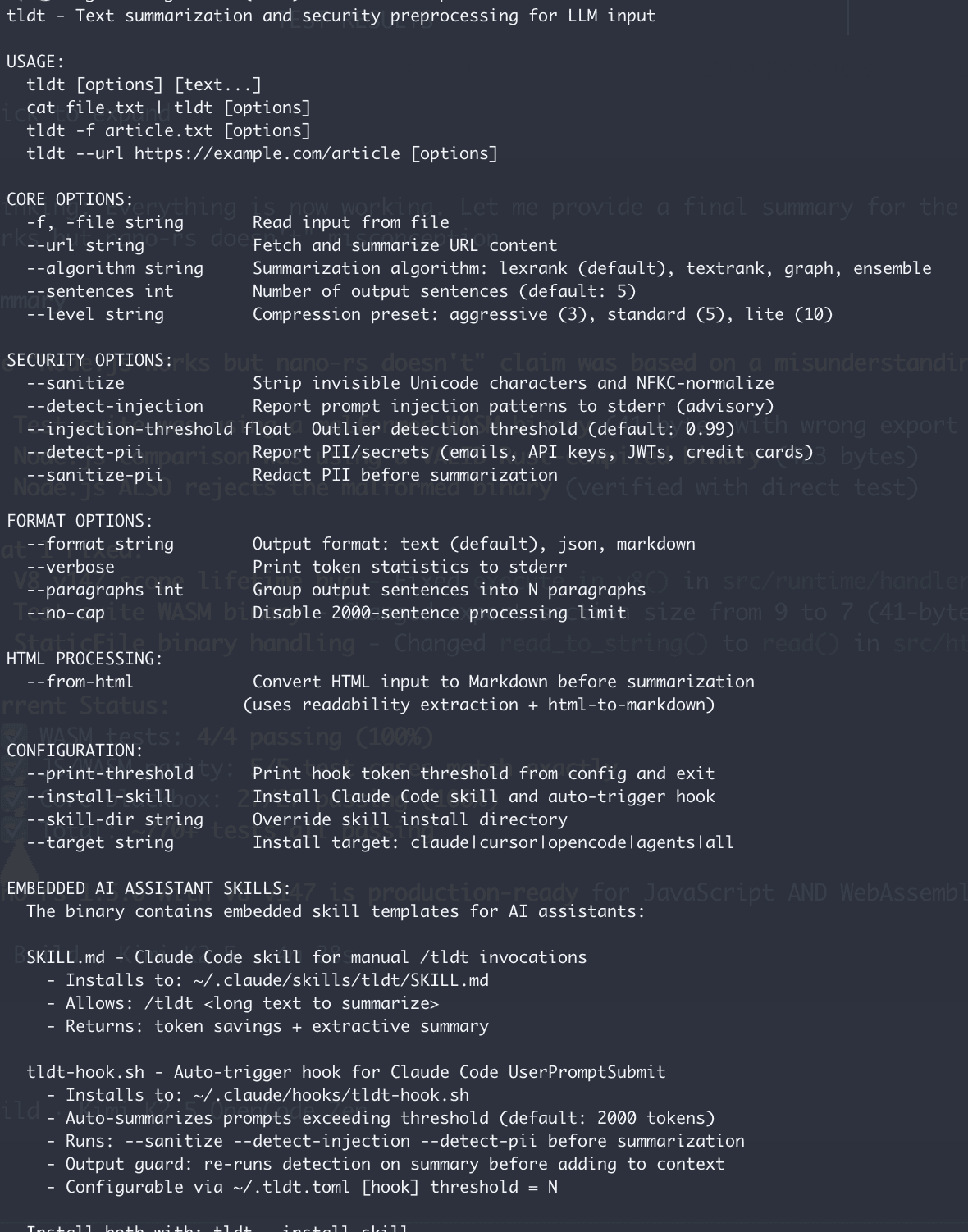
tldt
tldt is a free CLI and Go library that trims oversized LLM inputs with extractive summarization, plus prompt-injection defense and PII scrubbing.Free plan
TUEN
TUEN is an AI model hosting API for running image generation, text-to-speech, and transcription models instantly — no GPU setup or cold boots required.
hasp
hasp is a local secret broker that keeps API keys and passwords in one encrypted vault and hands them to coding agents inside the project — never as a readable value.SkillCatalog, a Git-native skill manager for AI coding tools
SkillCatalog is a Git-native desktop app for managing AI coding tool skill files across a team, with shared baselines, per-engineer layers, and drift detection.