 BestAIFor
DoNotPay A Revolution in Legal Tech
DoNotPay popularized the idea of a robot lawyer for everyday problems like tickets, refunds, and forms.
January 28, 2026•3 min read

Real-time translation hardware used to be a curiosity — a crowdfunded earbud that half-worked on a good Wi-Fi day. In 2026 it's a real category, and the prices now run from about $23 to $699. We looked at 11 devices: 9 wearable earbuds and 2 handheld pocket translators, from a translation-hardware specialist worth nine figures down to a rebranded budget unit shipping out of Nairobi.
This guide is the short, practical companion to our full research report. The report has the sourced numbers and the methodology; this page tells you which device fits which job. We did not rank a single "winner," because the right pick depends on whether you're translating a market haggle, a sales call, or a 50-person conference — and those need different hardware.
One ground rule up front: every spec here is pulled from vendor pages and cross-checked against independent reviews (Wired, Tom's Guide, ZDNet, Techlicious, Wareable). Where a vendor advertises "0.2-second" latency and reviewers measure 3–5 seconds, we used the reviewer's number. Where a spec wasn't published, we say so instead of guessing.
The column most "best translation earbuds" lists skip is the AI engine — and it matters, because it tells you who actually does the translating. We left it in.
| Device | Type | Price | Languages | Offline | Battery (bud/case) | AI engine | Best for |
|---|---|---|---|---|---|---|---|
| Timekettle W4 Pro | Open-ear earbuds | $449 | 40+/93 acc. | Partial | 12h | Babel OS (own) | Business calls + meetings |
| Vasco Translator E1 | Over-ear earbuds | $389 | 51 | No | ~3h | Multi-engine (10+) | Groups up to 10 |
| Anker Soundcore Liberty 5 Pro Max | In-ear earbuds | $229.99 | 100+ | No | 6.5h / 28h | MS Azure | Music buds that also translate |
| iFlytek AI Translation Earbuds | Open-ear earbuds | $349 | 60/83 acc. | Partial | 6h / 21h | iFlytek model | Noisy rooms (bone+air mics) |
| Wooask A9 | Earbuds + 4G hub | $399 | 144 | Yes (16) | Google+MS+ChatGPT | Phone-free travel | |
| Waverly Labs Ambassador | Over-ear earbuds | $179 | 20+/42 dial. | No | ~4–6h | Cloud neural | Lectures + shared listening |
| Mymanu CLIK S | In-ear earbuds | $157 | 37 | n/a | 10h / 30h | MyJuno app | Budget full-feature earbuds |
| Acer AI TransBuds | Ear-hook earbuds | Not announced | 15 | n/a | Not stated | One-wearer conversations | |
| Amaya ATW-05 | Ear-hook earbuds | ≈$23 | n/a | n/a | DeepSeek R1 | Cheapest entry point | |
| Pocketalk S2 Plus | Handheld | $349.95 | 92+ | No | ~7h | Multi-engine | Passing a device person-to-person |
| Jarvisen Translator 2 | Handheld | $499.99 | 108 | Yes (18) | Proprietary | Travel with free global data |
"n/a" = not published by the vendor. Full sourced specs are in the report PDF linked at the bottom.
Value prop: Open-ear interpreter earbuds that translate two-way phone and video calls inside any app, then hand you the meeting minutes. Best for: Remote teams and salespeople who live on cross-language calls. Price: $449 (the X1 hub bundle is $699; the cheaper M3 is $149.99). Pros: Translates calls across apps, not just face-to-face; auto meeting summaries; runs its own Babel OS rather than renting an engine; 12-hour battery. Cons: Real-world latency is 3–5 seconds (Wareable), not the marketing figure; $449 is top of the dedicated field. Also consider: iFlytek if you want call translation for $100 less.
Value prop: Touchless open-ear buds that handle conversations of up to 10 people. Best for: Tours, family trips, anyone translating to a small crowd at once. Price: $389. Pros: Up to 10-person group mode; ~0.5s claimed response on short phrases; 11 design awards and a Wired review of the E1. Cons: No offline mode at all — it needs your phone's data; ~3 hours of active battery is short. Also consider: Timekettle X1 if your "group" is actually a 50-person event.
Value prop: Genuinely good $229.99 music earbuds where a touchscreen case adds 100+ language translation. Best for: People who want one pair of earbuds for music, calls, and the occasional translation. Price: $229.99 (the cheaper AeroFit 2 is $99.99). Pros: Cheapest way into 100+ languages; the AMOLED case doubles as a translation screen; 28-hour total battery; flagship ANC. Cons: Translation runs entirely on Azure cloud — no signal, no translating; it's a feature, not a purpose-built translator. Also consider: Mymanu CLIK S if you want a translation-first earbud for less.
Value prop: Open-ear buds with paired bone- and air-conduction mics built to isolate your voice in noise. Best for: Translating in loud places — markets, factory floors, conference halls. Price: $349 ($299 on promotion). Pros: Dual bone+air mics for noisy environments; ~2s measured latency (Techlicious); call translation across Zoom, Meet, Teams, and WeChat; no subscription. Cons: Heavier Western-market presence only recently; some early coverage was paid placement, so weigh reviews carefully. Also consider: Timekettle W4 Pro for deeper meeting features.
Value prop: Translation earbuds with their own 4G-SIM touchscreen hub, so you don't need a phone or an app. Best for: Travelers who don't want to depend on a phone, a local SIM, or Wi-Fi. Price: $399 ($299.99 on sale). Pros: 16 genuinely offline languages; standalone 4G hub with a camera; ChatGPT built in; the vendor claims 2M+ units sold. Cons: No tier-1 independent review exists yet; the all-in-one "7-in-1" pitch is doing a lot of work. Also consider: Jarvisen if you'd rather a handheld with the same SIM-included idea.
Value prop: Over-the-ear interpreter you can split across a table, with a dedicated Lecture mode. Best for: One-to-many situations — a guide addressing a group, a shared listen. Price: $179. Pros: Three purpose-built modes (Converse, Lecture, Listen); ~8-foot pickup; a genuine pioneer (CES 2020 Innovation Award). Cons: No charging case and only ~4–6 hours of battery; an older design that needs the phone for processing. Also consider: Vasco E1 for a newer take on group translation.
Value prop: UK-made in-ear translator buds covering 37 languages through the MyJuno app, at the lowest dedicated-earbud price. Best for: Budget buyers who still want real in-ear earbuds, not a hook design. Price: $157 (often discounted toward ~$90). Pros: 30-hour total battery; 4-mic array; CES 2019 Innovation Award honoree; the newer CLIK Pro adds offline + eSIM. Cons: App-dependent; 37 languages is on the low side; the S model's offline support isn't documented. Also consider: The CLIK Pro if you need offline and don't mind paying more.
Value prop: Acer's entry: one person wears the buds, the other party hears the translation from your phone's speaker. Best for: Quick one-on-one chats where only you wear anything. Price: Not announced (more than a year after its COMPUTEX 2025 unveiling). Pros: Tom's Guide came away impressed in a hands-on; clever single-wearer design; major-brand support. Cons: No published price, battery life, offline status, or AI engine — a real transparency gap; only 15 languages. Also consider: Anker Soundcore for a shipping, fully-specced big-brand option.
Value prop: A roughly $23 ear-hook translator running DeepSeek's R1 model, sold into the East African market. Best for: The cheapest possible way to try translation earbuds. Price: ≈$23 (KSh 2,999). Pros: By far the lowest price here; first device we found running DeepSeek R1; proof the category now has a sub-$25 tier. Cons: Almost no published specs — language count, latency, and battery are all undisclosed; it's a rebranded OEM unit with no independent testing. Also consider: Mymanu CLIK S if you want a known brand for not much more.
Value prop: A 3.9-inch handheld translator with a 5-year global data plan built in. Best for: Hotel desks, clinics, shops — anywhere you hand the device to a stranger. Price: $349.95 (the S2 is $299.95). Pros: Two-way voice plus camera translation; bundled multi-year data; CES 2019 and Nikkei award history; sub-1-second response in reviews. Cons: Not an earbud — it's a screen you pass back and forth; cloud-only, so no offline. Also consider: Jarvisen for a larger screen and offline packs.
Value prop: A 5.05-inch handheld covering 108 languages with two years of free worldwide data and 18 offline voice pairs. Best for: Frequent international travelers who hate buying SIMs. Price: $499.99 ($399 on sale). Pros: Two years of free global data; 18 offline voice pairs; 0.5s response corroborated by 9to5Toys. Cons: The priciest device here; handheld, not wearable; the engine is proprietary and underdocumented. Also consider: Pocketalk for a more pocketable handheld.
Start with one question: do you need it to work offline? If yes, your shortlist is short — Wooask (16 languages) and Jarvisen (18 voice pairs) for full offline, Timekettle and iFlytek for partial packs. Everything else dies without a connection.
If you're offline-flexible, choose by situation. Calls and meetings → Timekettle or iFlytek. Groups and events → Vasco (10 people) or Timekettle's X1 (50). One pair of earbuds for everything → Anker Soundcore. Tightest budget with a real brand → Mymanu. Passing a device to strangers all day → a handheld (Pocketalk or Jarvisen).
Two honest cautions. First, treat sub-second latency claims as marketing; plan for a 2–5 second gap in real conversation. Second, "144 languages" and "100+ languages" headline numbers count accents and dialects differently — every device here covers the major travel languages, so the long tail is the only real differentiator.
Do AI translation earbuds work without internet? Mostly no. Only 2 of the 11 devices we reviewed — Wooask (16 languages) and Jarvisen (18 voice pairs) — translate meaningfully offline. Timekettle and iFlytek offer partial offline language packs. The rest need a phone, Wi-Fi, or a SIM.
How fast is "real-time" translation, really? Independent reviews measure 2–5 seconds end-to-end (Timekettle 3–5s per Wareable; iFlytek ~2s per Techlicious). The "0.2-second" and "0.5-second" figures vendors advertise are best-case single phrases, not full conversational latency.
What's the cheapest AI translation device? The Amaya ATW-05 at roughly $23 (KSh 2,999). Among widely available dedicated earbuds, the Mymanu CLIK S at $157 is the cheapest from an established brand. Anker's $229.99 Soundcore buds are the cheapest way into 100+ languages.
Earbuds or a handheld translator — which is better? Earbuds keep the translation private and your hands free, which suits travel and calls. Handhelds (Pocketalk, Jarvisen) are easier to pass to a stranger and often bundle their own data plan, which suits desks, shops, and clinics. It's a use-case choice, not a quality one.
How many languages do these devices cover? From 15 (Acer) to 144 (Wooask, counting accents). The median is around 51. None matches translation software like Google Translate, which reached 243 languages in 2024 — on-device hardware still caps practical coverage lower.
Do any of them require a subscription? None of the 11 featured devices charges an ongoing translation subscription. You pay once for the hardware. A few bundle cellular data (Pocketalk's 5-year plan, Jarvisen's 2-year plan) at no extra cost.
Three things will shape this category over the next year. Platform earbuds — Apple AirPods, Samsung Galaxy Buds, Google Pixel Buds — now translate through your phone's OS, and for casual users that may be enough to skip a dedicated device entirely. Engine diversity is widening: Amaya is already on DeepSeek R1, and cheaper open models will push the budget tier further. And offline remains the unsolved problem — the device that delivers genuinely good, broad offline translation will have a real edge, because connectivity is exactly what fails when you're traveling.
Download the full report — Best AI Translation Devices 2026 (PDF)
BestAIFor's research reports cover specific verticals of the AI tools market with the buyer profile most underserved by the existing "best of" lists. This report documents the state of consumer AI speech-translation hardware in 2026 — 11 devices across earbuds and handhelds — with sourced specs on languages, offline support, latency, battery, pricing, and AI engine.
The report was researched and written June 2026 by Daniele Antoniani, founder of BestAIFor.com. Devices were selected from a 17-candidate sweep and narrowed to commercially available products with a live vendor presence; every spec is cross-checked against independent reviews, and unverifiable vendor claims are excluded or footnoted.
Corrections, additions, or vendor-side responses to this report are welcome at info@bestaifor.com. Featured vendors are sent a courtesy notification at publication; unfeatured candidates are not contacted unless they engage first. BestAIFor does not accept payment for inclusion or editorial position in these reports.
Daniele Antoniani is the founder of BestAIFor.com, where he builds and tests AI tools and writes practical, operator-first buying guides. He has no financial relationship with any vendor featured here.
DoNotPay popularized the idea of a robot lawyer for everyday problems like tickets, refunds, and forms.
Deep dive compares Grok-4 and ChatGPT 5.2, highlighting their strengths, use cases, and differences.

Meta prompting and step-back prompting allow AI models to collaborate, boosting reasoning and reliability in complex tasks

Google Cloud now offers free access to advanced AI tools like Imagen, Speech-to-Text, enabling rich research and coding applications

China Open Source LLMs: DeepSeek, Qwen & GLM Licensing Guide 2026
China LLMs 2026: Qwen vs DeepSeek vs ERNIE vs Hunyuan Compared

Stop collecting AI tools. Start building a system that works like a fractional employee-automate smarter, not harder.
Discover how ElevenLabs V3 enables teams to scale audio content globally with AI-powered dubbing, voice cloning, and sound effects
How to Use Perplexity AI: The Beginner's Guide (2026)

The Best AI Tools to Run a One-Person Business in 2026 (No Staff, No Code)

Muck Rack's 2026 journalism survey found 82% of journalists use AI, up from 77%. But concern about unchecked AI rose 8 points to 26%. Here is what the numbers mean for editorial teams.
GPT-5.4 shipped March 5, 2026 with native computer use, scoring 75% on real desktop tasks vs. 72.4% human baseline. Most people will prompt it like a chatbot. Here is how to actually get results.

WordPress.com added write access for AI agents in March 2026. After two weeks testing it for editorial drafts, it saves time on the parts you'd expect — and falls apart where it matters most.
Google released two AI memory migration tools on March 26, 2026 that let you move your ChatGPT or Claude context into Gemini as persistent memory. Here’s the workflow, the copy-paste prompt, and when to skip it.
Most AI users are still doing prompt engineering in 2026. Context engineering — feeding the right information at the right time — is the upgrade your workflow needs. Two copy-paste patterns included.

The early-user problem in B2B SaaS is solved by manual work, direct relationships, and ruthless prioritization — not marketing funnels or growth hacks. The tactics are well-documented and consistently replicated....

This report's twelve most important findings, ordered by importance to a solo or small-firm reader. Each is a standalone observation; the body of the report supports each in detail.

BestAIFor Research Report — version 1.0, 11 May 2026

We evaluated 15 AI tools for property managers in 2026 — only 4 publish a price you can act on without a sales call, and one is under active U.S. antitrust litigation. Download the full report.
We hand-curated and compared 15 AI tools for property managers in 2026 across leasing, maintenance, short-term rental, and all-in-one platforms — with verified pricing, the AI-in-entry-tier check, and honest pros and cons.

*By Daniele Antoniani · Last updated May 2026*
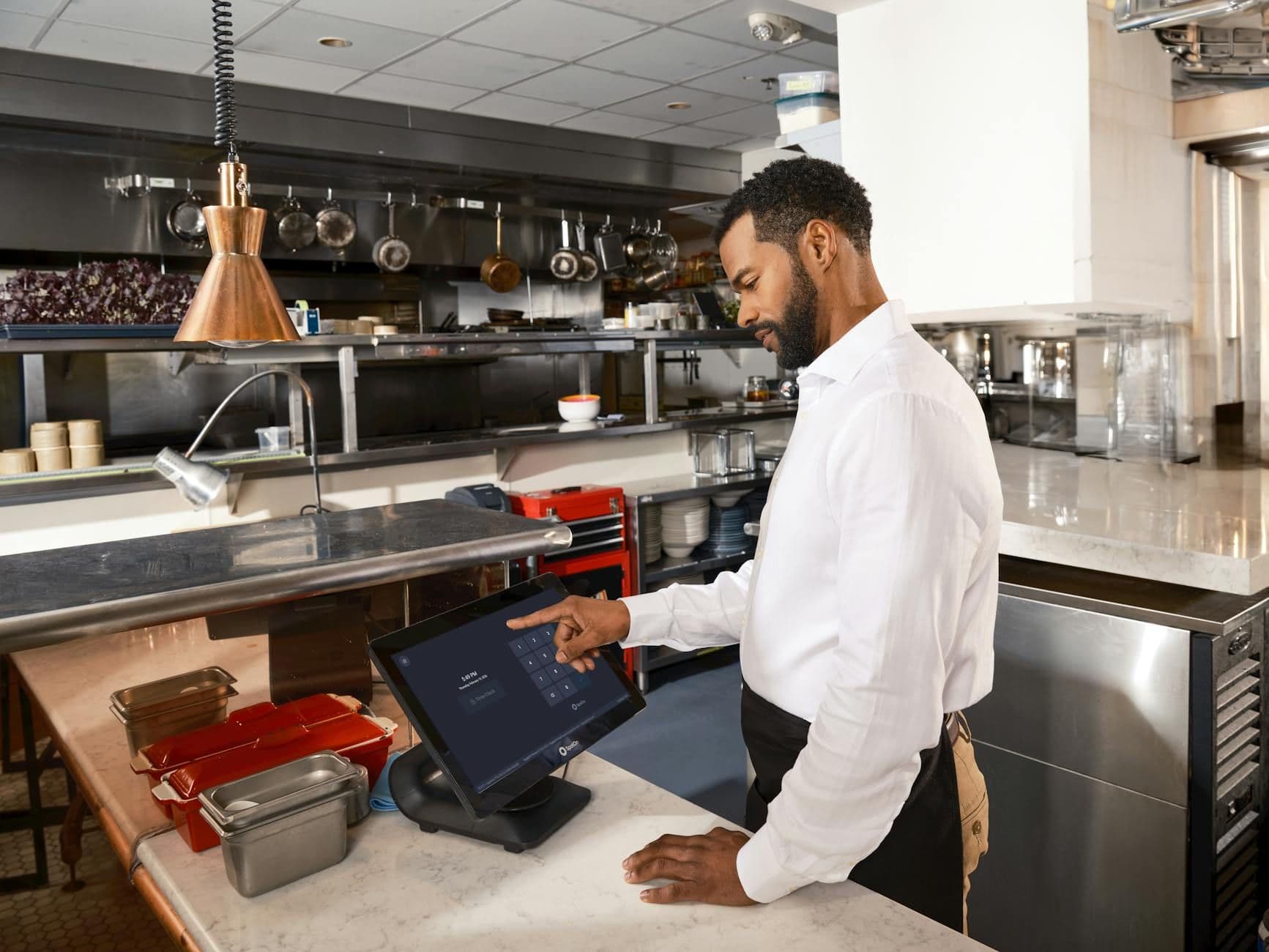
Restaurant operators face a specific kind of software sprawl problem. There's a POS for transactions, a separate scheduling tool for labor, a third platform for online ordering, and a fourth for reservations — and none of them talk to each other...

A typical small-animal vet writes SOAP notes for two to three hours of every clinical day. That's the bottleneck the AI vendors are aiming at — and in the last twelve months, the wedge has widened from a single category (the scribe) to five: AI...
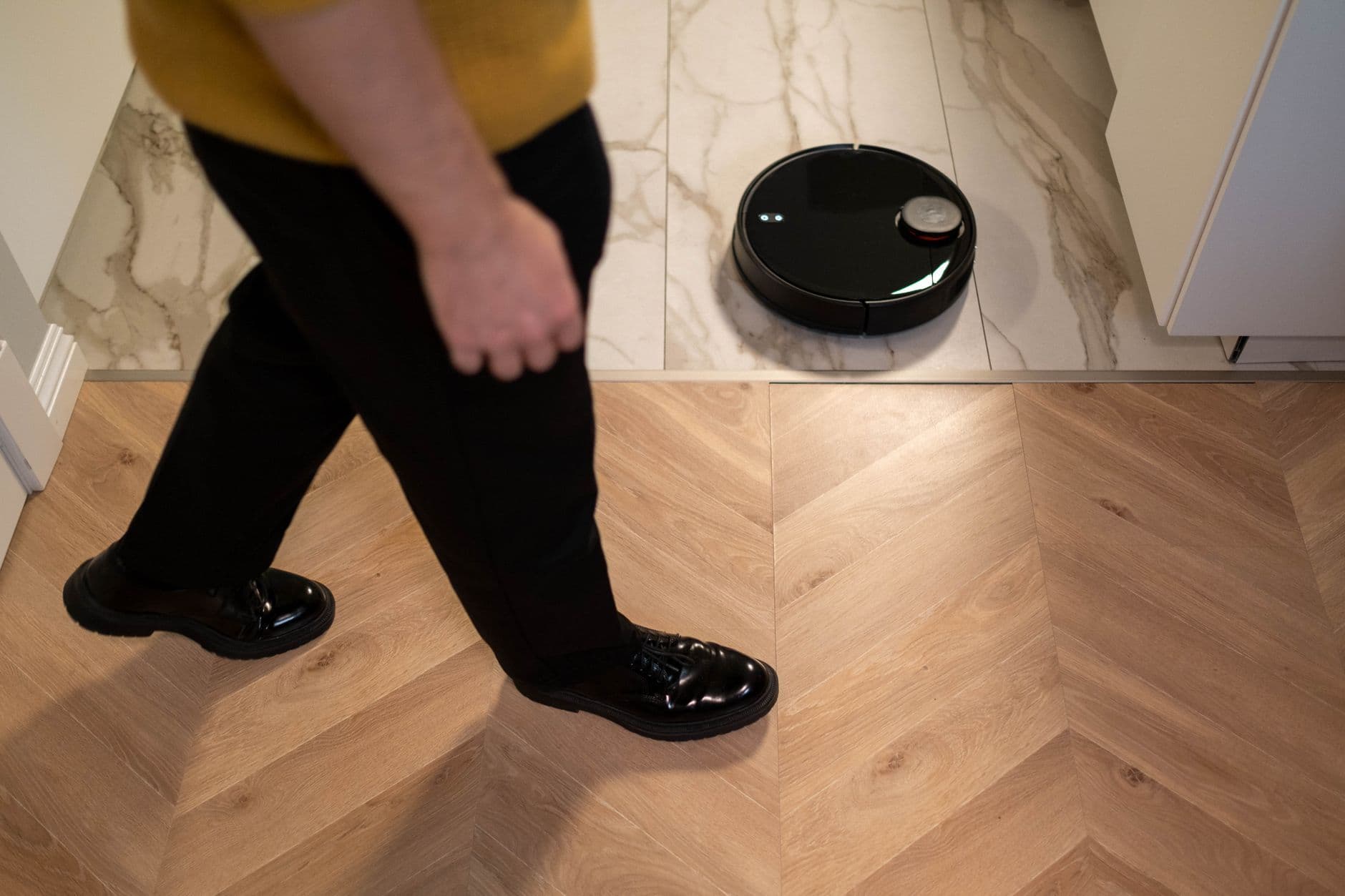
A home robot is a piece of capital equipment that runs every day, breaks in ways you can't easily fix, and quietly maps the inside of your house. That's the frame I'd start with, not the spec sheet. The interesting question in 2026 isn't...

The 15 Asian AI×IoT vendors that matter for edge manufacturing in 2026, mapped by stack layer, pricing reality, and the operator's job each one solves.

The two platforms in this category that market hardest on artificial intelligence have no independent reviews at all.
Here's something odd about this market. A single click on "endpoint management software" costs an advertiser $371.37. That's not a typo, and it's not an outlier — "PSA software" runs $153.74 and "help desk software" $120.24. For comparison, we...

An investor managing 12 active SaaS portfolio companies surfaced a question circulating in startup communities: how do you track competitors at scale without a full-time analyst at every company? The tooling to solve...
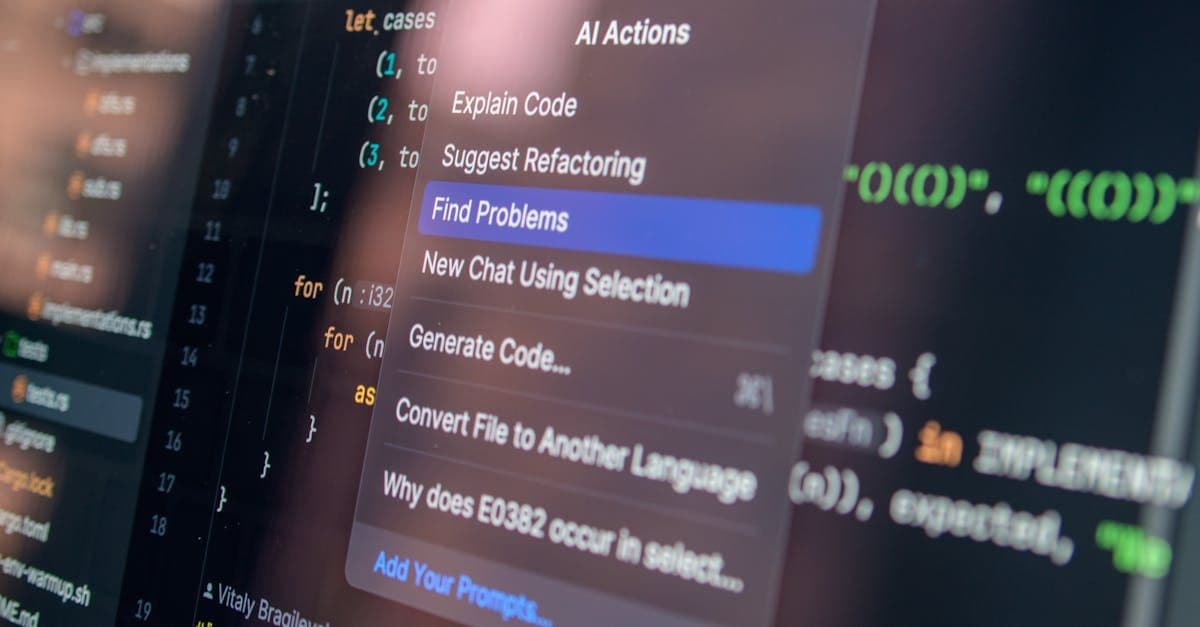
Combining multiple AI coding tools into a unified workflow is delivering measurable productivity gains for developers who get the configuration right. The efficiency argument is real — but the integration overhead is...