 BestAIFor
DoNotPay A Revolution in Legal Tech
DoNotPay popularized the idea of a robot lawyer for everyday problems like tickets, refunds, and forms.
January 28, 2026•3 min read
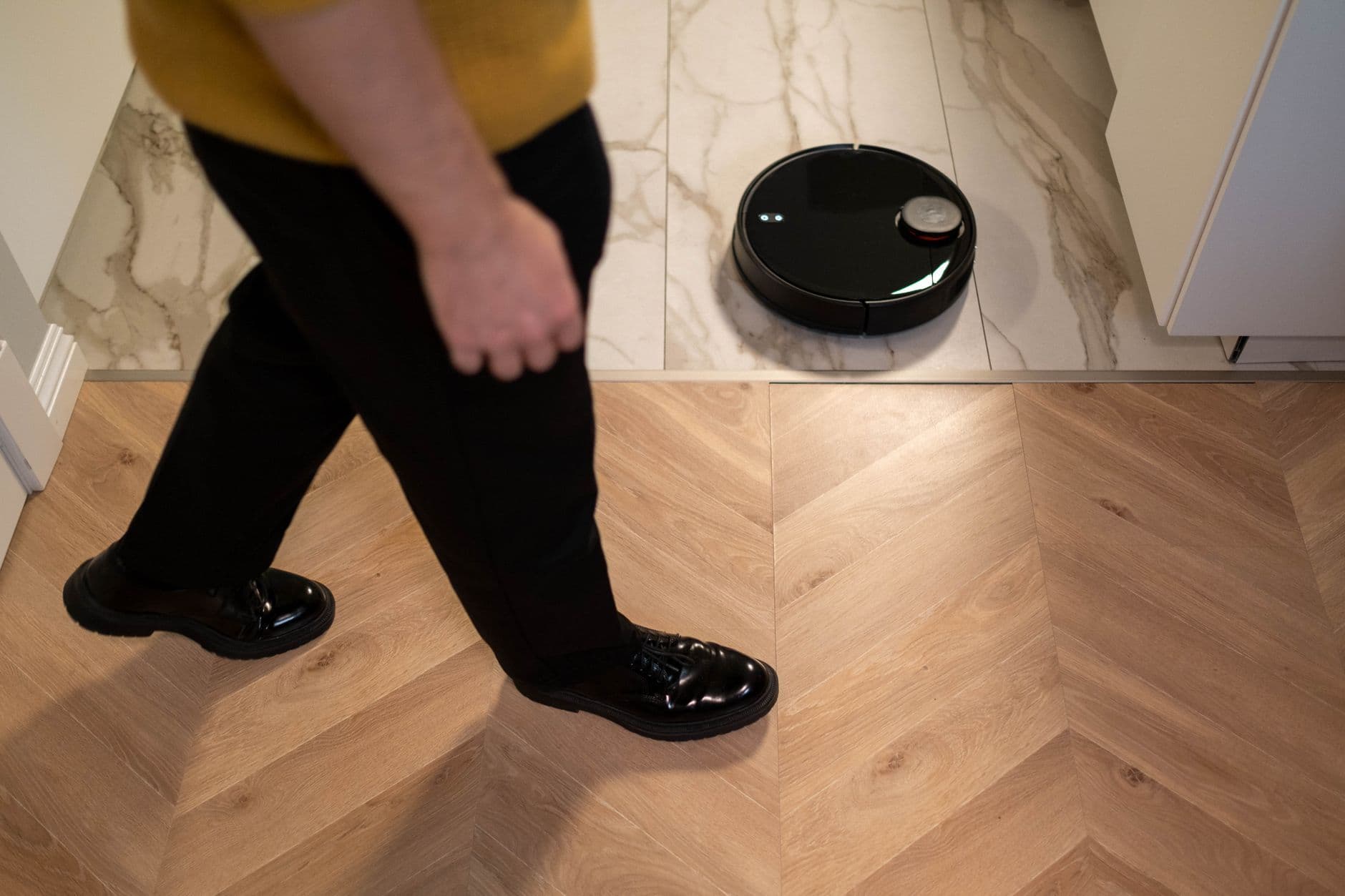
A home robot is a piece of capital equipment that runs every day, breaks in ways you can't easily fix, and quietly maps the inside of your house. That's the frame I'd start with, not the spec sheet. The interesting question in 2026 isn't whether these machines work — most of them do — it's whether the AI features stacked on top of a $300 cleaning job are worth the jump to $1,500 or $2,600.
We built this guide off our research report, The State of Consumer Robotics 2026 (link at the bottom). That report doesn't test units in a lab. It aggregates the published numbers — shipment data from the International Federation of Robotics (IFR) and IDC, plus tier-1 reviews — and shows where the market actually sits versus where the marketing says it sits. This blog version takes those findings and turns them into something you can buy from: 15 vendors across vacuums, mops, lawn mowers, pool cleaners, and companion robots, each with a value prop, real pricing, three pros, two cons, and one honest caveat most "best of" lists won't print. They're described, not ranked. Your bottleneck isn't my bottleneck.
Before the vendors, three facts worth sitting with.
First, this category is now overwhelmingly Chinese-built and Chinese-branded. IDC's data for the first three quarters of 2025 put five Chinese brands — Roborock, Ecovacs, Dreame, Xiaomi, and Narwal — at close to 70% of global smart robot-vacuum shipments combined. Roborock alone took first place at 21.7% share. If you buy a robot vacuum in 2026, the odds are heavily that it was made in China, and increasingly that the brand on the box is Chinese too.
Second, Roborock is now the world's number-one robot-vacuum brand. IDC named it the No. 1 smart cleaning robot brand of 2025 at 5.8 million units shipped. That's not a marketing claim Roborock invented; it's the shipment count.
Third, and this is the one that matters if you've owned a Roomba: iRobot — the American company that invented this entire category in 2002 — filed for Chapter 11 bankruptcy on December 14, 2025, and agreed to be taken private by Shenzhen Picea Robotics, its Chinese contract manufacturer and secured lender. iRobot cited debt, falling demand, and roughly $23 million in U.S. tariff costs. Its global shipments fell 30.6% year over year, and it dropped to fifth place. (Source: our report, citing Manufacturing Dive, NPR, and IDC.)
I want to be fair about what that means. Roomba is still a real, shipping product. iRobot ran the largest product launch in its history in March 2025 — eight new Roombas and a new app. The bankruptcy is a restructuring, not a shutdown. But "Chapter 11, acquired by its manufacturer" is a different kind of risk than "market leader," and if you're spending $400+ on a machine you expect to support for five years, you should price that uncertainty in. I'm not telling you not to buy a Roomba. I'm telling you to know what you're buying.
The last column is the one you won't usually find on a comparison table: a single honest caveat per vendor. That's the column I'd want if I were buying.
| Vendor | Best for | Segment | Price range (USD, Jun 2026) | Notable AI feature | One honest caveat |
|---|---|---|---|---|---|
| iRobot | The familiar default, eyes open | Vacuum / mop | ~$170–$900 | Dirt Detective scheduling | In Chapter 11; acquired by its Chinese manufacturer |
| Roborock | Buyers who want the current leader | Premium vacuum / mop | ~$300–$2,000 | OmniGrip robotic arm (Saros Z70) | The famous arm works ~50% of the time |
| Ecovacs | One brand across the whole house | Vacuum, mower, window, pool | ~$300–$1,500 | Dual-sensor obstacle AI | Had a documented 2024 security breach |
| Dreame | Best price-to-feature ratio | Vacuum, mower, pool | ~$200–$1,400 | Aqua10 rolling mop | Range is wide; entry models cut corners |
| Narwal | Mopping that doesn't smear | Premium vacuum / mop | ~$1,300–$1,600 | Track-roller self-washing mop | Premium-only; no budget option |
| eufy / Anker | Vacuum plus a security ecosystem | Vacuum, mower, security | ~$400–$1,500 | On-device obstacle ID | Buying into Anker's whole app ecosystem |
| SwitchBot | Tinkerers and small automations | Home robots, companion | $10–$1,199 | KATA offline on-device LLM | Jack of all trades, master of few |
| Aiper | Pool owners who hate cords | Robotic pool cleaner | ~$1,000–$2,299 | Cordless app-guided cleaning | Pool-only; pricey at the top |
| Yarbo | Big yards, all four seasons | Modular yard robot | ~$4,000–$6,000+ | Modular core + RTK navigation | Genuinely expensive; a real capital outlay |
| Mammotion | Wire-free mowing on acreage | Robotic mower, pool | ~$1,899–$3,449 | 4WD RTK boundary-free mowing | Newer brand (2022); shorter track record |
| Matic | Privacy-first households | Vacuum / mop (vision-only) | ~$1,495–$1,795 | Camera-only, on-device, no cloud | One product; premium price; small company |
| Shark / SharkNinja | A U.S. brand you can return easily | Vacuum / mop | ~$400–$1,300 | UV mess detection (PowerDetect) | Premium models priced like the leaders |
| Segway Navimow | Wire-free mowing without LiDAR fuss | Robotic lawn mower | ~$799–$3,599 | Antenna-free network-RTK | Higher tiers needed for tricky yards |
| Sony Aibo | A companion, not a chore-doer | Companion robot | ~$2,900 + $300/yr | ML personality + recognition | Subscription-gated; no confirmed LLM |
| Samsung | Wait-and-see on companions | Companion + vacuum | $1,699 (Jet Bot); Ballie TBA | Ballie runs Google Gemini | Ballie has slipped repeatedly; no price/date |
A note on prices: this category is unusually time-sensitive. U.S. tariffs reaching up to 125% on Chinese goods roughly doubled landed costs in 2025, then partially reversed in 2026 — Ecovacs cut U.S. prices by up to 45%. So treat every number here as a snapshot, not a contract.
The brand that made "Roomba" a verb. iRobot's lineup runs Roomba vacuums, 2-in-1 vacuum/mop combos, and Braava mops, with Dirt Detective scheduling that learns which rooms get dirty and when.
Best for: people who want the name they already know and a U.S. support footprint — with the bankruptcy caveat understood.
Pricing in operating terms: roughly $170 for a Roomba 105 Combo on promotion up to about $899.99 for the Max 705 Combo. The entry models are some of the cheapest competent autonomous cleaning you can buy.
Pros: lowest entry price of any major brand; mature, stable app; huge installed base means parts and reviews are everywhere. Cons: the company is in Chapter 11 and being acquired by its Chinese manufacturer, so long-term support is a real unknown; flagship features now lag the Chinese leaders.
If iRobot's situation worries you, also consider Dreame — similar price ladder, more current features.
The current market leader by shipments, and the only brand selling a robot vacuum with an actual arm. The Saros Z70's OmniGrip can pick up socks and move them out of the way.
Best for: buyers who want the segment leader and don't mind paying for it.
Pricing in operating terms: the Q and S series cover the mainstream $300–$800 range; the flagship Saros Z70 launched around $2,600 at the tariff peak and has since dropped to roughly $1,999 in 2026. The Saros 20 sits at $1,599.99.
Pros: best-in-class obstacle avoidance (StarSight 2.0 pairs LiDAR with a camera); strong across price tiers, not just the flagship; No. 1 in the U.S., Germany, and South Korea per IDC. Cons: the headline robotic arm is more proof-of-concept than daily driver; top-tier pricing is steep.
Here's the caveat I'd underline: independent testing (Vacuum Wars) found the OmniGrip arm successfully grabs and moves objects about half the time, across just three object categories. It's real, it's first-to-market, and it is not yet a reason to spend $2,000.
If the flagship is overkill, also consider Roborock's own Q series before jumping brands.
One of the two broadest players in the house. Ecovacs makes DEEBOT vacuums, WINBOT window cleaners, GOAT robotic mowers, and now an ULTRAMARINE pool cleaner — so you can standardize on one app and one brand across the whole property.
Best for: households that want vacuum, windows, lawn, and pool from a single vendor.
Pricing in operating terms: mainstream DEEBOTs land $300–$900; the flagship DEEBOT X12 OmniCyclone lists at $1,499.99 (often on sale near $947). The WINBOT W3 OMNI is $699.99; GOAT mowers run roughly $699–$999.
Pros: widest segment coverage of any vendor here; aggressive 2026 price cuts (up to 45%) after tariffs eased; strong obstacle AI. Cons: in 2024, attackers took control of Ecovacs Deebot units via a Bluetooth flaw, reaching cameras and speakers (patched November 2024); list prices swing hard, so never pay full sticker.
If you only need a vacuum and want a tighter focus, also consider Roborock or Dreame.
The value-to-feature champion in my read of the market. Dreame spans budget D-series vacuums up to flagship L-series units, plus mowers and pool products, and it pioneered the Aqua10 rolling-mop design.
Best for: buyers who want flagship-adjacent features without flagship pricing.
Pricing in operating terms: from about $199.99 (D9 Max Gen 2) to roughly $1,399.99 (L60 Pro Ultra). That $200 entry point undercuts almost everyone on real features.
Pros: excellent feature density per dollar; genuine innovation (rolling mop, CES 2026 bionic-arm and stair-climbing concepts); broad range so you can match spend to need. Cons: the range is so wide that entry models cut corners you might not notice until month two; a frequently-cited "$2,499" ceiling couldn't be confirmed in current listings, so ignore inflated top-end claims.
If you want the same value tilt with a U.S. return desk, also consider Shark.
Narwal's whole pitch is mopping that actually cleans instead of smearing. The Flow uses a track-roller mop with warm water and a self-washing, self-drying dock.
Best for: homes with a lot of hard floor where mop quality matters more than price.
Pricing in operating terms: the Flow listed at $1,499.99, settling around $1,299.99 for the basic-dock version and $1,599.99 plumbed. The Freo Z10 Ultra came in at $1,299.99.
Pros: best-regarded mopping mechanism in the category; self-maintaining dock cuts your involvement to near zero; earlier Freo Z Ultra won two Vacuum Wars awards. Cons: there's no budget Narwal — you're in at $1,300 or you're not in; the spec-war suction numbers (22,000 Pa, now 31,000 Pa on the Flow 2) don't translate linearly to clean floors.
If $1,300 is too steep for mopping, also consider Dreame's Aqua10 line.
eufy is Anker's smart-home brand, and its angle is the ecosystem: robot vacuums and mowers under eufy Clean, plus a serious home-security line (cameras, doorbells) under eufy Security.
Best for: people already in or willing to commit to Anker's app ecosystem.
Pricing in operating terms: the X10 Pro Omni launched at $799.99; the discontinued Omni S1 Pro hit $1,499.99, and a newer 30,000 Pa Omni S2 is listed (exact price unconfirmed).
Pros: one app for vacuum and home security if you want it; solid mid-tier obstacle ID; Anker's hardware reliability reputation. Cons: the ecosystem play only pays off if you actually buy into it; flagship pricing reaches premium-brand levels without quite premium-brand cleaning.
If you don't care about the security side, also consider Roborock or Dreame for pure cleaning.
The tinkerer's brand. SwitchBot's catalog runs from a ~$10 mechanical button-pusher up to the K20+ Pro multitasking robot and the new KATA Friends companion pets.
Best for: people who like assembling small automations rather than buying one big appliance.
Pricing in operating terms: $10 for the basic Bot, up to $1,199 for the multitasking platform; KATA Friends launched May 12, 2026 at $699.99 with an optional $15/month plan.
Pros: cheapest entry into home robotics by a mile; KATA runs an on-device LLM that works offline and ships with a physical privacy eye-mask; genuinely modular. Cons: it's a jack-of-all-trades catalog, so no single product is best-in-class; you'll spend time configuring rather than unboxing.
If you want a focused cleaner instead of a toolkit, also consider Dreame.
A pool specialist. Aiper makes cordless robotic pool cleaners and skimmers — the Scuba series — so there's no cable to snag and no pump to plumb in.
Best for: pool owners who want app-guided cleaning without cords or installation.
Pricing in operating terms: the entry Scuba X1 is around $1,000; the Scuba X1 Pro Max is about $1,800 robot-only or $2,299 bundled with HydroComm Pro.
Pros: fully cordless, so setup is "drop it in"; app-guided cleaning paths; one of the established names in a fast-growing pool niche. Cons: pool-only, so it solves exactly one problem; the top of the line is genuinely expensive for a seasonal device.
If you also want mowing or want to spend less, also consider Mammotion's Spino pool line (~$599–$799).
The most ambitious outdoor robot here, and the one I'd call a true capital purchase. Yarbo is a single core unit that swaps task modules across seasons: mower, snow blower, leaf blower, trimmer.
Best for: owners of large properties who'd otherwise pay for lawn care, snow removal, and leaf cleanup separately.
Pricing in operating terms: the core unit runs about $4,999, the mower module about $4,000, and a complete multi-module setup roughly $6,000. The math only works if you're replacing several seasonal services.
Pros: one machine handles year-round yard work; RTK navigation, no boundary wire; closed a $27M+ Series B in 2025, so it's funded to keep going. Cons: this is real money — treat it like buying a tractor, not a gadget; you're betting on a smaller company's roadmap and parts supply.
If your yard just needs mowing, also consider Segway Navimow or Mammotion at a fraction of the cost.
The boundary-free mowing specialist. Mammotion's LUBA mowers use 4WD RTK navigation with no perimeter wire, and the LUBA 2 AWD series was named a TIME Best Invention of 2024.
Best for: acreage owners who want wire-free mowing and will tolerate a younger brand.
Pricing in operating terms: the LUBA Mini AWD 1500 starts at $1,899; the LUBA 2 AWD 10000X (2.5 acres per charge) runs $3,449. Mammotion also entered pool cleaning with the Spino E1 (~$599–$799).
Pros: genuinely no boundary wire to bury; 4WD handles slopes and rough terrain; award-winning hardware. Cons: founded in 2022, so the support and longevity track record is short; RTK can struggle under heavy tree cover unless you spend up.
If you want a longer brand history or LiDAR backup, also consider Segway Navimow.
The privacy play. Matic makes exactly one product: a 2-in-1 vacuum/mop that navigates with five RGB cameras and on-device neural networks — no LiDAR, and crucially, no cloud upload. Maps and images never leave the machine.
Best for: households that won't put a cloud-connected camera-robot in their home.
Pricing in operating terms: launched at $1,495, rising to $1,795 after the intro period; the intro price included a first-year membership.
Pros: everything runs on-device, so the data-exposure surface is minimal; ~1.5 cm mapping precision from cameras alone; a clear, defensible privacy stance in a category with two documented breaches. Cons: one product, premium price, and a small U.S. startup behind it — if Matic stumbles, there's no second SKU to fall back on; no LiDAR means it's a different navigation bet than the mainstream.
If privacy matters but $1,500 doesn't fit, also consider a LiDAR-only (camera-free) unit from Roborock — it still maps your home, but without onboard cameras.
The U.S. incumbent that's still shipping in volume. Shark's robot vacuums run the Matrix and higher-end PowerDetect lines, and the PowerDetect UV Reveal claims to be the first robot vacuum/mop using UV light to spot invisible messes.
Best for: U.S. buyers who value easy returns and big-box availability over bleeding-edge specs.
Pricing in operating terms: mainstream Matrix units land $400–$700; the PowerDetect UV Reveal starts at $1,299.99, with a ThermaCharged model that auto-washes the mop pad in 185°F water.
Pros: strong U.S. retail and return footprint; reliable mid-tier performance; the hot-water mop-washing dock is a genuinely useful premium feature. Cons: the premium models are priced right up against the Chinese leaders without clearly out-cleaning them; suction and feature specs trail the top flagships.
If you want the same U.S.-support comfort at a lower price, also consider iRobot's entry tier (with the bankruptcy caveat).
Segway's mower brand, and the one that made wire-free practical for normal yards. Navimow uses virtual boundaries instead of buried wire, and newer models use antenna-free network-RTK that works under tree cover and near buildings — with network data included free.
Best for: homeowners who want to ditch the boundary wire without babysitting GPS.
Pricing in operating terms: the i-Series for small yards runs $799–$1,399; the H-Series mid-size $1,799–$2,199; the X-Series for large yards $1,839–$3,599.
Pros: no boundary wire and free network-RTK access; clear tiered lineup so you match the mower to the yard; the i215 adds LiDAR for tricky tree cover. Cons: difficult yards push you into the pricier H or X tiers fast; like all RTK mowers, dense obstacles still cause edge cases.
If you have real acreage or steep slopes, also consider Mammotion's 4WD LUBA line.
Not a chore robot — a companion. Aibo is Sony's robotic dog, with machine-learning personality, face recognition, and interaction memory that develops over time.
Best for: people who want presence and companionship, not a clean floor.
Pricing in operating terms: $2,899.99, including a three-year AI Cloud Plan, then $300/year to renew. The subscription isn't optional if you want the personality features to keep working.
Pros: a polished, mature companion robot with years of refinement; genuine emotional appeal that owners report; ongoing software updates (a March 2025 update improved responsiveness). Cons: the subscription gates the AI, so the real cost is $2,900 plus $300/year indefinitely; despite endless speculation, Sony has not confirmed any large-language-model integration — the "AI" is ML, not a chatbot.
If you want companionship cheaper and offline-capable, also consider SwitchBot KATA Friends.
Samsung plays both sides: a shipping cleaning robot and a much-hyped companion that keeps slipping. The Bespoke Jet Bot Combo AI is a real vacuum/mop with an auto-steam Clean Station. Ballie — a rolling companion with a built-in projector, set to run Google Gemini — is the headline that hasn't landed.
Best for: Samsung-ecosystem households for the Jet Bot; everyone else should wait on Ballie.
Pricing in operating terms: the Jet Bot Combo AI launched at $1,699 in 2024. Ballie has no confirmed price (estimates suggest north of $2,000) and no firm date.
Pros: Jet Bot integrates tightly with SmartThings; auto-steam mop cleaning is a real convenience; Ballie's Gemini integration is the most ambitious companion-AI bet from a major brand. Cons: Ballie was announced for summer 2025, slipped repeatedly, and as of mid-2026 has no price or date — treat it as vaporware until it ships; the Jet Bot is priced premium without leading the cleaning benchmarks.
If you want a companion robot you can actually buy today, also consider Sony Aibo or SwitchBot KATA.
Don't buy the robot with the most features. Buy the cheapest one that solves your highest-volume problem, and upgrade only if it doesn't.
For most homes, that means a $300–$500 vacuum/mop handles 90% of the job. The $1,300–$2,600 band buys incremental AI — a robotic arm that works half the time, marginally better obstacle avoidance, hot-water mop washing — whose real-world value reviewers openly contest. If you have a lot of hard floor, spend up on mopping (Narwal, Dreame Aqua10). If you have pets and clutter, spend up on obstacle avoidance (Roborock StarSight). If you won't put a cloud camera in your house, that narrows you fast (Matic, or a camera-free LiDAR unit).
Outdoors, the math is different because you're replacing labor. A robotic mower or a Yarbo only makes sense against what you currently pay for lawn or snow service — run that number before you spend $4,000.
And start with the brands that publish prices and offer trials or easy returns. In this category, prices move with tariffs monthly, so a vendor you can return to is worth more than a slightly better spec. You'll know within a month whether the robot earned its keep. Most of the time, the boring mid-priced one does.
Are robot vacuums worth it? For most people, yes — but at the entry-to-mid tier, not the flagship. A $300–$500 unit that runs daily keeps floors visibly cleaner with near-zero effort, and that's where the value is. The $1,500–$2,600 flagships add AI features whose marginal benefit reviewers actively dispute. Buy for the chore, not the spec sheet.
Do robot vacuums need wifi or the cloud to work? Most need wifi for scheduling, mapping, and app control, and many route some features through the cloud. But not all. Matic runs entirely on-device with no cloud upload, and several LiDAR-only models map without cameras. If cloud dependence bothers you, it's a buyable preference, not an unavoidable cost.
Are home robots a privacy risk? The risk is documented, not hypothetical. In 2024, attackers controlled Ecovacs Deebot units via a Bluetooth flaw, reaching cameras and speakers (patched that November). And development-unit Roomba images, including an intimate bathroom photo, leaked through a third-party labeling chain in 2022. Even camera-free robots build a precise floor plan of your home. On-device-only designs (Matic, SwitchBot KATA) are the cleanest architectural answer.
LiDAR or camera navigation — which is better? LiDAR is the baseline for mid-to-premium vacuums: it maps accurately in any light but can't recognize small objects like cables. Cameras add object recognition but historically raised privacy concerns and need decent light. The premium answer pairs both (Roborock StarSight). The privacy answer is camera-only but on-device (Matic). There's no single winner — it depends on whether you weight accuracy or privacy.
Robot mower vs. a traditional mower or a lawn service? A robot mower makes sense if you'd otherwise pay for ongoing lawn service or hate mowing enough to spend $800–$3,600 once. Wire-free RTK models (Segway Navimow, Mammotion) removed the old buried-wire hassle. For very large or multi-task properties, a modular system like Yarbo replaces several services — but only do that math against real recurring costs.
Are robot pool cleaners worth it over a traditional one? Cordless robotic cleaners (Aiper, Mammotion Spino) remove the hose-and-pump setup and clean on a schedule via app. They're worth it if you value not handling the cleaner yourself; they're a single-purpose seasonal device, so the premium models ($1,800+) are a stretch unless you use the pool heavily.
Is iRobot/Roomba still safe to buy after the bankruptcy? Roomba is still a shipping product and iRobot ran its biggest-ever launch in 2025. But the company is in Chapter 11 and being acquired by its Chinese manufacturer, so long-term support and updates carry real uncertainty. The entry models are still some of the cheapest competent vacuums available — just price in the risk if you expect five years of support.
What's the difference between a cleaning robot and a companion robot? Cleaning robots (vacuums, mowers, pool cleaners) do a chore and are judged on how well they do it. Companion robots (Sony Aibo, Samsung Ballie, SwitchBot KATA) exist for interaction and presence — the AI is the product, and they're increasingly sold with subscriptions. They're different purchases for different reasons; don't expect Aibo to clean or a Roborock to keep you company.
Three things. Whether any non-Chinese vendor can hold real volume share in cleaning robotics, or whether the Western brands retreat permanently to niches — modular outdoor, privacy-first, companions. Whether the robotic arm and stair-climbing concepts from Roborock and Dreame become things people actually use, or stay CES demos. And whether companion robots like Ballie ever ship at the scale their growth forecasts assume — the eldercare demand (the WHO projects over a billion people aged 60+ by 2030) is real; the products that would serve it mostly aren't here yet.
If you only remember one thing: this is hardware that runs in your home every day and maps it while it does. Optimize for the boring stuff — price you can stomach, a vendor you can return to, a privacy posture you're comfortable with — over the headline AI feature. The loudest robot is rarely the right one.
Download the full report — The State of Consumer Robotics 2026: AI in the Home (PDF)
BestAIFor's research reports cover specific verticals of the AI tools market with the buyer profile most underserved by the existing "best of" lists. This report maps the consumer home-robotics market — vacuums, mops, lawn mowers, pool cleaners, and companion robots — using IFR and IDC shipment data and tier-1 reviews.
The report was researched and written June 2026 by Daniele Antoniani, founder of BestAIFor.com. Vendors were selected to span every major home-robot segment and geography; they are described, not ranked.
Corrections, additions, or vendor-side responses to this report are welcome at info@bestaifor.com. Featured vendors are sent a courtesy notification at publication; unfeatured candidates are not contacted unless they engage first. BestAIFor does not accept payment for inclusion or editorial position in these reports.
About the author: Daniele Antoniani is the founder of BestAIFor.com. He spent 15 years building affiliate programs and e-commerce partnerships across Europe and North America before launching BestAIFor in 2023 to help operators move past AI hype to actual use. He tests tools in real workflows and writes about which ones earn their cost.
DoNotPay popularized the idea of a robot lawyer for everyday problems like tickets, refunds, and forms.
Deep dive compares Grok-4 and ChatGPT 5.2, highlighting their strengths, use cases, and differences.

Meta prompting and step-back prompting allow AI models to collaborate, boosting reasoning and reliability in complex tasks

Google Cloud now offers free access to advanced AI tools like Imagen, Speech-to-Text, enabling rich research and coding applications

China Open Source LLMs: DeepSeek, Qwen & GLM Licensing Guide 2026

China LLMs 2026: Qwen vs DeepSeek vs ERNIE vs Hunyuan Compared

Stop collecting AI tools. Start building a system that works like a fractional employee-automate smarter, not harder.

Discover how ElevenLabs V3 enables teams to scale audio content globally with AI-powered dubbing, voice cloning, and sound effects
How to Use Perplexity AI: The Beginner's Guide (2026)

The Best AI Tools to Run a One-Person Business in 2026 (No Staff, No Code)

Muck Rack's 2026 journalism survey found 82% of journalists use AI, up from 77%. But concern about unchecked AI rose 8 points to 26%. Here is what the numbers mean for editorial teams.

GPT-5.4 shipped March 5, 2026 with native computer use, scoring 75% on real desktop tasks vs. 72.4% human baseline. Most people will prompt it like a chatbot. Here is how to actually get results.

WordPress.com added write access for AI agents in March 2026. After two weeks testing it for editorial drafts, it saves time on the parts you'd expect — and falls apart where it matters most.

Google released two AI memory migration tools on March 26, 2026 that let you move your ChatGPT or Claude context into Gemini as persistent memory. Here’s the workflow, the copy-paste prompt, and when to skip it.

Most AI users are still doing prompt engineering in 2026. Context engineering — feeding the right information at the right time — is the upgrade your workflow needs. Two copy-paste patterns included.

The early-user problem in B2B SaaS is solved by manual work, direct relationships, and ruthless prioritization — not marketing funnels or growth hacks. The tactics are well-documented and consistently replicated....

This report's twelve most important findings, ordered by importance to a solo or small-firm reader. Each is a standalone observation; the body of the report supports each in detail.
BestAIFor Research Report — version 1.0, 11 May 2026

We evaluated 15 AI tools for property managers in 2026 — only 4 publish a price you can act on without a sales call, and one is under active U.S. antitrust litigation. Download the full report.
We hand-curated and compared 15 AI tools for property managers in 2026 across leasing, maintenance, short-term rental, and all-in-one platforms — with verified pricing, the AI-in-entry-tier check, and honest pros and cons.

*By Daniele Antoniani · Last updated May 2026*
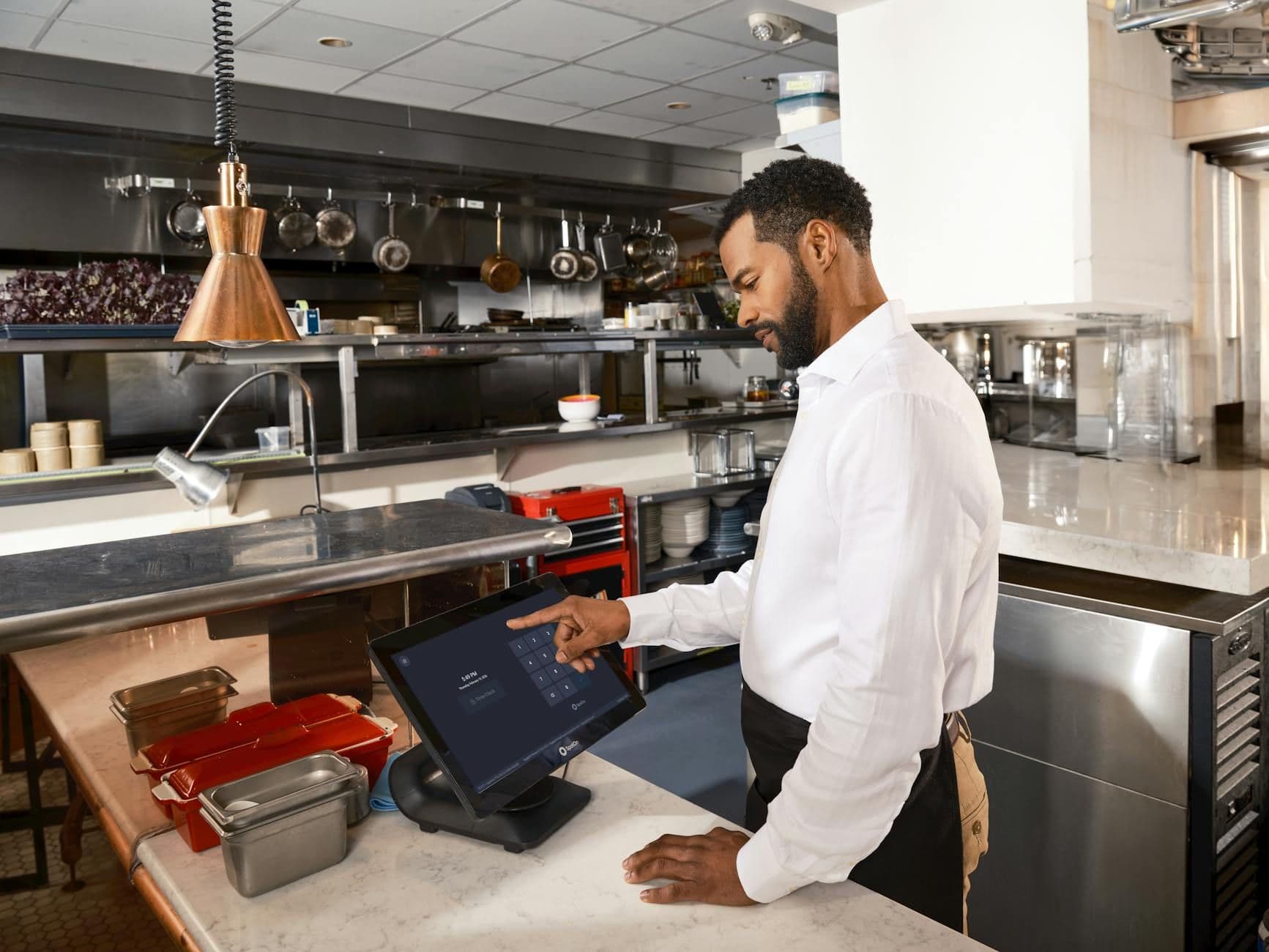
Restaurant operators face a specific kind of software sprawl problem. There's a POS for transactions, a separate scheduling tool for labor, a third platform for online ordering, and a fourth for reservations — and none of them talk to each other...

Real-time translation hardware used to be a curiosity — a crowdfunded earbud that half-worked on a good Wi-Fi day. In 2026 it's a real category, and the prices now run from about $23 to $699. We looked at 11 devices: 9 wearable earbuds and 2...

A typical small-animal vet writes SOAP notes for two to three hours of every clinical day. That's the bottleneck the AI vendors are aiming at — and in the last twelve months, the wedge has widened from a single category (the scribe) to five: AI...
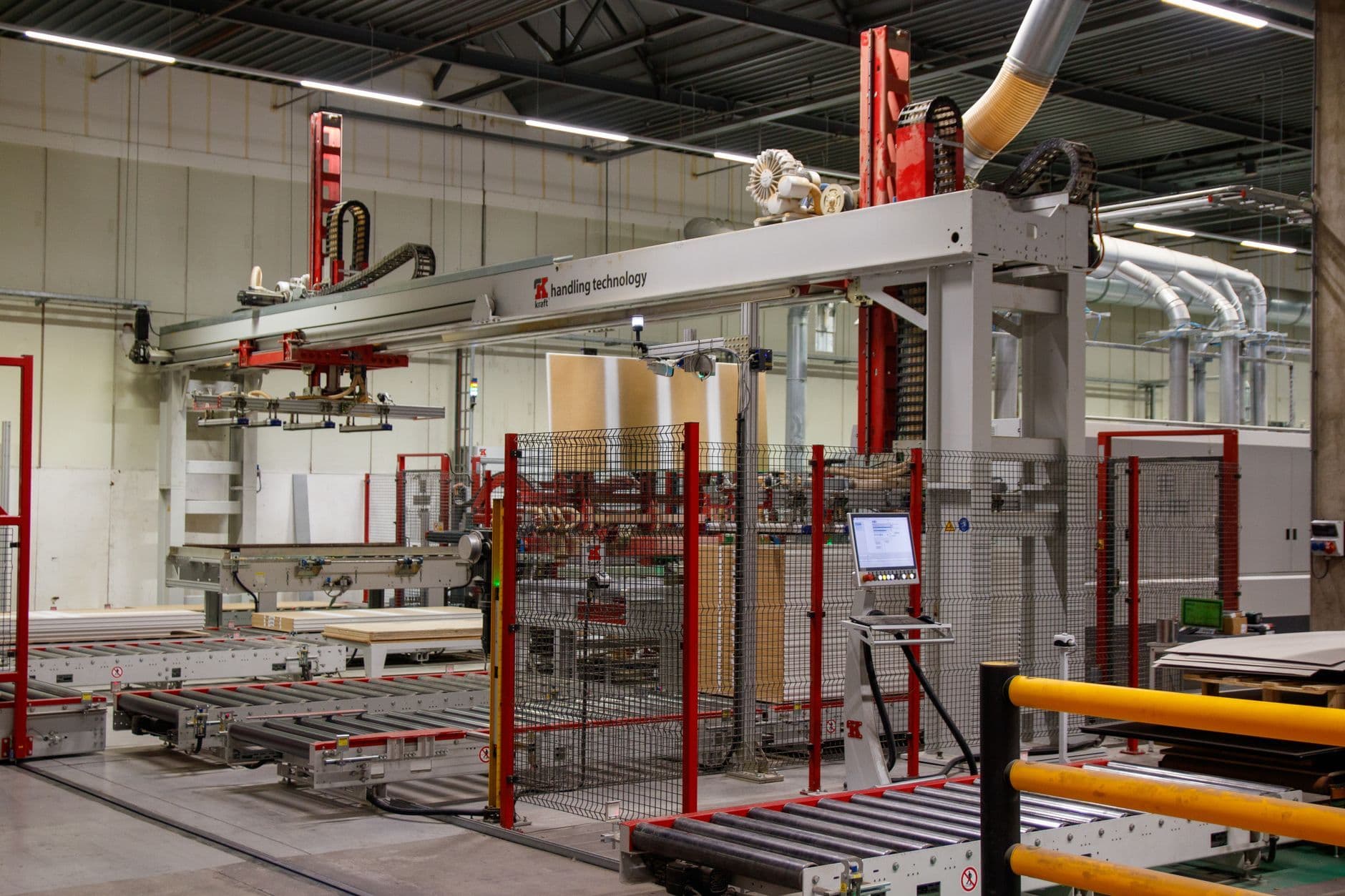
The 15 Asian AI×IoT vendors that matter for edge manufacturing in 2026, mapped by stack layer, pricing reality, and the operator's job each one solves.

The two platforms in this category that market hardest on artificial intelligence have no independent reviews at all.

Here's something odd about this market. A single click on "endpoint management software" costs an advertiser $371.37. That's not a typo, and it's not an outlier — "PSA software" runs $153.74 and "help desk software" $120.24. For comparison, we...

An investor managing 12 active SaaS portfolio companies surfaced a question circulating in startup communities: how do you track competitors at scale without a full-time analyst at every company? The tooling to solve...

Combining multiple AI coding tools into a unified workflow is delivering measurable productivity gains for developers who get the configuration right. The efficiency argument is real — but the integration overhead is...